
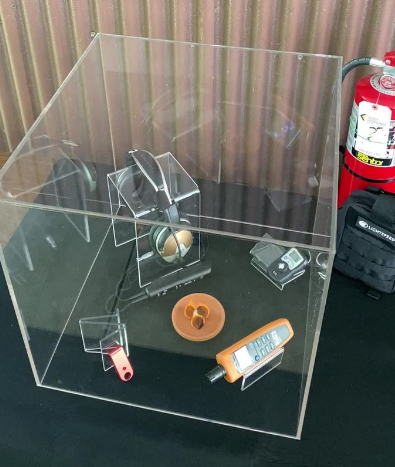
According to flight data collected from over 50,000 flights in its inaugural year, the Personal Safety Data Partnership Program (PSDPP) has uncovered the disconcerting fact that almost 1% of these flights produced extremely hazardous and life-threatening carbon monoxide (CO) levels for at least some portion of those flights. That’s hundreds of flights with critical levels of CO at 75 parts per million (PPM).
CO poisoning can be deadly, starving the body of oxygen and damaging the brain, heart, and other organs. But when it happens during a flight, there’s the added risk of losing control of the aircraft and crashing. So, it’s important that pilots can detect CO in the cockpit before the situation becomes critical, and that requires the right CO monitor.
That raises the question, what is the right CO monitor? The simple answer is the monitor that keeps the pilot and passengers safest because that’s the whole point. That said, there are several factors and features to consider, so let’s look at those and then we’ll wrap up with an at-a-glance comparison of different types of monitors.
Safety Factors and Form Factors
In order to protect effectively, a CO monitor has to be present, reliably detect CO levels before they affect the pilot or passengers, and successfully alert people that there’s a problem.
Being There
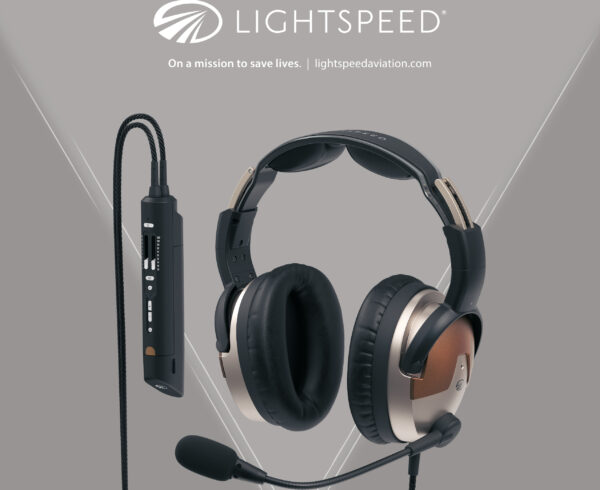
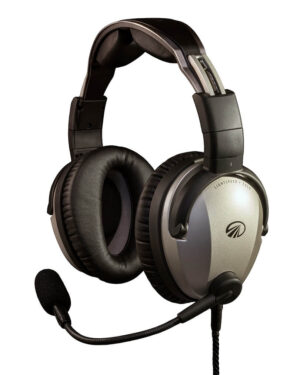
There are four basic types of CO monitors: a basic adhesive chemical detector card that changes color when CO is present (an analog detector), portable digital detectors, instrument panel-mounted digital detectors, and a CO monitor integrated into the Lightspeed Delta Zulu™ headset. The first and third are meant to stay with the plane, while the portable and headset-integrated CO monitors go with the pilot. If you ever fly in different planes, whether as a pilot or passenger, a portable monitor, or an aviation headset with a CO monitor, such as the Lightspeed Delta Zulu, with Kanari® smart alert technology, may be a better choice.
Reliable Detection
To detect CO, the monitor first has to be working. Detector cards have a shelf life of about 3 years and last 90 days once opened. There’s a place to log the date when the card is opened, and the pilot needs to remember to check that and replace it. Portable digital monitors need to be charged and/or have batteries replaced, so pilots need to check the batteries regularly. Some panel-mounted detectors are wired into the aircraft electrical system, so will have power when the engine is on. With a headset-integrated CO monitor, if the aviation headset is charged, the monitor is charged, so there’s no extra check involved.
The next factor to consider is the CO level that the monitor will detect. Concentrations as low as 20 or 30 PPM can be harmful if you are exposed for several hours, but CO builds up in the body over time, so even lower levels can cause poisoning with prolonged exposure. The sooner you are alerted, the better.
According to specs in Flying magazine, the classic stick-on CO detector card “turns black when CO levels indicate sufficient concentration to cause sickness, headaches, or death,” which may be too late. By that point, people in the cockpit may have been exposed for a long time, especially if they already had heightened CO levels due to exhaust fumes, smoking, or pollution. Digital CO monitors vary in the CO levels they will report and that will trigger alerts, varying from detection levels as low as 1 PPM up to minimum alarm trigger levels as high as 50 ppm (pretty high, considering some firefighters have expressed to us that they consider levels of 20 ppm too dangerous to work in). In general, the lower the detection and alert levels, the better, as long as alarms aren’t being triggered constantly by normal environmental factors.
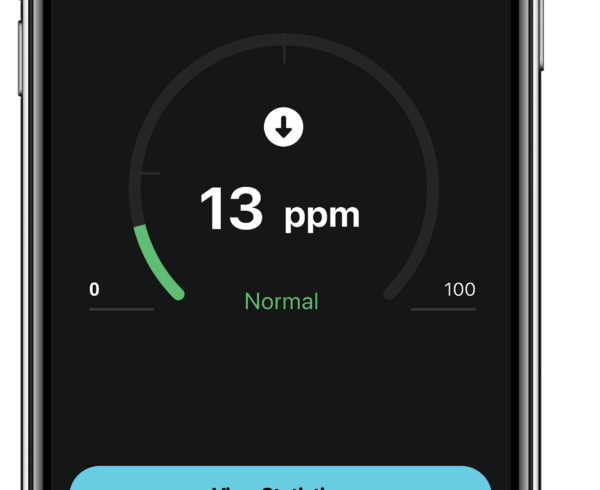
Ideally, pilots should be able to set detection and alert levels for the monitor. That way, if a very low level of CO is normal for the aircraft, the pilot can set the alarm to help find and fix any developing problem before it becomes more serious. If the monitor can provide historical data about CO levels, that’s even better. For example, the Lightspeed Delta Zulu headset collects CO data via a mobile app, allowing the pilot to track fluctuations over a flight and over multiple flights.
Effective Alerts
CO poisoning affects the brain, so a CO detector needs to get the attention of people who, worst case, may be already feeling those effects. This is another disadvantage of the stick-on detector cards: it can take up to 45 minutes of exposure for the dots to change color, and by that point, people in the cockpit may be too impaired to notice. It’s safer to have a digital monitor that provides active audio alerts that can’t be missed. Even better, some products have customizable alerts that can be adjusted to pilot preferences, hearing levels, etc.
What is the Price for Your Safety?
When considering a CO monitor, choose the highest level of safety you can afford. If you want to rely on a low-price solution such as stick-on CO detectors, then use them: check the dates on them when you get into the cockpit and remember to look at them during the flight.
If you’re a CFI or a pilot who flies in different aircraft, you’ll want a portable monitor. If it’s stand-alone, remember to get it out of your flight bag and turn it on. If it’s integrated into your aviation headset, you can’t forget it. If you’re an aircraft owner, you can choose a digital monitor with wireless connectivity and app support that lets you view, download, and track CO data so you can head off developing problems.
The best CO monitor for you may depend on your flying habits, your aircraft(s), and your budget, so the at-a-glance table below may be useful in making a choice. But safety is the #1 goal, and awareness is the best defense, so educate yourself about CO poisoning, how to prevent it, and what to do if CO levels become dangerous. Then, get yourself the best CO monitor you can and, above all, use it!
CO Monitors at a Glance
| Stick-On | Portable Digital | Panel-mounted | Lightspeed Delta Zulu™ | |
| Detection Levels | When CO reaches toxic levels | 1 PPM to 1000 PPM, depending on the product | 30 PPM to 1000 PPM, depending on the product | Displays 1 PPM to 250 PPM |
| Minimum alert levels | When CO reaches toxic levels | 9 PPM to 50PPM, depending on the product | Cautionary alerts from 10 PPM to 50 PPM; Critical alerts when >50PPM | |
| Active alerts | No | Some higher-end products | Yes; some models have customizable alert settings | Yes, with customizable alert settings for tone or voice recordings, in the left ear, right ear, or both |
| Customizable detection/alert levels | No | Some higher-end products | No | Yes |
| Portable | No | Yes | No | Yes, and always present with the aviation headset |
| Maintenance requirements | Replace every 30-90 days (3 year shelf life) | Replace batteries, battery life varies with product | Must be installed by certified aircraft mechanic. Sensor life 5-7 years. | The Lightspeed Delta Zulu CO sensor has a 10 year life |
| Wireless connectivity & app support | No | Some higher-end products | No | Yes |
| Price | Around $5 | $50 to $600 | $300 to $900 plus installation | Bundled with top-of-the-line ANR headset $1,199 |











Leave a Comment