Free shipping in the U.S. — Click here for details .
Sign in Join now
Lightspeed AviationLightspeed AviationLightspeed AviationLightspeed Aviation
    0
  •   was successfully added to your cart.
  • Shop
    • All Products
    • Headsets
    • ANR Kit for Helmets
    • Flight Bags
    • Accessories
    • Lightspeed Aviation App
    • Lightspeed App
    • FlightLink App
    • Authorized Dealers
    • Trade Up Program
  • About
    • About Lightspeed
    • Programs
    • Lightspeed Delta Zulu® Saves Lives
    • Awards and Accolades
    • Patents
    • Careers
    • Associations
  • Community
    • All Posts
    • Blog Posts
    • Events
    • News
    • Sponsorships
  • Support
    • My Account
    • Customer Support
    • Repair Request
    • Frequently Asked Questions
    • Shipping and Return Policies
  • Contact
    • Contact Lightspeed
    • Corporate Inquiries
    • Authorized Dealers
    • Donation Requests
    • Media Kit
Sign in / Create Account

Passive vs Active Noise Reduction in Aviation Headsets

    Home Blog Posts Passive vs Active Noise Reduction in Aviation Headsets
    NextPrevious

    Passive vs Active Noise Reduction in Aviation Headsets

    By Lightspeed Aviation | Blog Posts | 0 comment | 8 February, 2022 | 1

    The relative quietness of a premium Active Noise Reduction (ANR) headset in today’s market is undisputed. But how much does ANR really reduce noise versus passive noise reduction (PNR). Can we point to a number that shows exactly how much more ANR protects our hearing and justifies the extra cost over PNR? The short answer is that we can’t point to just one number because the noise reduction from ANR is much more sophisticated than what PNR provides. The longer answer is that in addition to protecting hearing, the more advanced noise reduction from ANR makes for a safer, healthier flying experience.

    How Noise Reduction Ratings (NRR) Are Calculated

    Decades ago, the U.S. Occupation Health and Safety Administration (OSHA) established safety standards for noise in the workplace: employers are to protect workers from noise exposure at or above 85 decibels averaged over eight working hours (dBA). To measure the effectiveness of noise protection gear, OHSA established a standard measurement called Noise Reduction Rating (NRR). NRR ratings involve a complicated set of measurements over eight specific frequencies from 125hz to 8,000hz, using a logarithmic weighting schedule to adjust for the damaging nature of that spectrum of noise. The measurements are made with and without the noise reduction mechanism, and a formula is applied to calculate an NRR between zero (no noise reduction) and 33. NRR protection of 28 or higher is recommended for environments with loud, high frequency noises such as a machine shop, sawmill, or an indoor shooting range. The important thing to realize about NRR is that it is a measure of passive noise reduction: the ability to block sound.

    The Mechanisms of Passive vs. Active Noise Reduction

    Noise reduction (also called “attenuation”) in PNR vs. ANR headsets is an apples-to-oranges comparison because the technologies are so fundamentally different. Passive noise reduction is achieved by creating an isolating cavity around your ears, formed by ‘cups’ that have ear seals to block the noise. The three largest drivers of isolation are the cavity volume and mass of the cup around your ear canal and the performance of the ear seals. The mass and rigidity of the cups blocks more sound, just like a cement wall stops more sound than a wood-framed one. More volume inside the cup allows the vibrations transmitted into the cup to dissipate and disperse before reaching your ear canal, while the tighter the ear seal, the less sound makes it inside the cup.

    Active noise reduction headsets don’t just block noise, they actually cancel it out…effectively eliminating selected frequencies of noise within the ear cup. A microphone inside the ear cup measures the noise inside, a processor calculates the sound wave needed to cancel out that noise, and an ‘anti-noise’ signal wave is generated that is specifically 180 degrees out of phase from the sound wave inside. The peaks of existing noise sum with the ‘valleys’ of the anti-noise signal to reduce (cancel) that element of sound. Because there is a slight delay to measure, calculate, and send the cancelling wave, ANR blocks constant noise such as the engine rumble in an aircraft more completely than intermittent, impulse noises like a rifle shot.

    Because the electronics in an ANR headset are inside the ear cup, they typically reduce the acoustic volume inside the cup and, hence, its passive noise reduction. However, the active noise reduction and the remaining passive reduction from the ear cup are additive, providing superior noise reduction overall. And there are multiple other benefits to ANR:

    • Since ANR headsets reduce the loudest levels of the dominant engine and propeller noises, the pilot is able to distinguish unusual noises from the aircraft.
    • The low-frequency noises in a cockpit can significantly interfere with a pilot’s ability to accurately hear audio communications. By cancelling those low frequencies, ANR will improve your ability to understand ATC.
    • Because ANR headsets don’t depend on just the size, mass, and seal of the ear cups for noise-cancelling, they typically are lighter, less bulky, and more comfortable to wear.
    • Since these headsets are powered (via batteries or a panel connection), ANR headsets offer additional integrated features such as Bluetooth connection, music amplification, and automatic muting of music for incoming comms, etc.

    Rating PNR vs. ANR

    Calculating NRR ratings for PNR headsets is fairly straightforward. In a nutshell, the sounds are measured at the various frequencies by microphones outside of and inside the ear “cup,” and the decibel levels are compared to calculate the NRR rating. A good PNR headset could get a rating of 22-24 NRR, plenty enough protection for a GA aircraft cockpit.

    Measuring the noise reduction of ANR headsets is much more complex. First, we know that passive attenuation (NRR) will be reduced simply because the electronics reduce the acoustic cup volume inside the ear cup.

    David Clark is the only headset maker that publishes NRR test results, and only for their PNR products. ANR headset makers don’t tell us their passive NRR because it’s misleading. If you measure passive noise reduction alone, ANR will come in below PNR, BUT that NRR number doesn’t come close to reflecting the quiet that the pilot will actually experience with an ANR headset. The effects of ANR are VERY noticeable.

    Asking the Right Questions

    The bottom line here is that choosing a headset shouldn’t start with NRR ratings. The first question you have to ask yourself is whether you want PNR or ANR. PNR headsets generally cost less, but the quiet, hearing accuracy, comfort, and features won’t be comparable to ANR. If PNR is what fits your needs and budget, then NRR ratings will be helpful in choosing a product.

    If you want an ANR headset, NRR ratings likely won’t be available, and they wouldn’t help you if they were. Instead, you’ll need to consider other factors, starting with the effectiveness of the ANR. We’ll talk about that in the next blog in this series.

    active noise reduction, ANR, David Clark, decibels, hearing, myth, NRR rating, OSHA, passive headset, PNR, Sierra, Zulu 3

    Lightspeed Aviation

    Lightspeed Aviation is a leading manufacturer of premium aviation headsets and helmet products. Since the first product was introduced in 1996 at AirVenture in Oshkosh, WI., the company has established a reputation for leading innovation in the aviation headset marketplace with a number of “first to market” advances, technologies, and features. In 2022, the company launched a new category of aviation products called “Safety Wearables”. Layering life-saving technologies on top of their award-winning audio and ANR platform, Lightspeed ushered in a new era of aviation safety. With this, the company continues to live its mission of “creating products that protect and save lives”. Additionally, Lightspeed is a passionate supporter of initiatives to encourage the next generation of pilots through its support of programs like Young Eagles and Ray Scholars. The company is proud to have participated in helping countless young people experience everything from a discovery flight to getting a Pilot Certificate.

    More posts by Lightspeed Aviation

    Related Posts

    • Lightspeed Aviation September 2024 Ray Scholar Cover Photo

      Profiles in Early Flight – Ray Scholar Stories September 2024

      By Lightspeed Aviation | 0 comment

      Well, that’s the end. This is the final installment of the Ray Scholar Stories Series. We have truly enjoyed sharing these remarkable stories over the last year and half from these inspiring young pilots.  ThisRead more

    • Two pilots taking a selfie in the cockpit of a small aircraft wearing Lightspeed Aviation's Zulu 3 and Lightspeed Delta Zulu headsets

      Every Pilot Deserves the Best Headset

      By Lightspeed Aviation | 0 comment

      Like every GA pilot, you have your own reasons for flying: the freedom of the skies, providing service to others, access to amazing, out of the way places; the thrill of stunt flying or airRead more

    • Lightspeed Aviation Ray Scholar Andy Klein

      Profiles in Early Flight – Ray Scholar Stories August 2024

      By Lightspeed Aviation | 0 comment

      As we are drawing near the end of these amazing stories from Ray Scholars, this August edition of the Ray Scholar Stories Series, continues to highlight 7 more inspiring stories to becoming a. We hopeRead more

    • Profiles in Early Flight – Ray Scholar Stories June 2024

      By Lightspeed Aviation | 0 comment

      In this June publication of the Ray Scholar Stories Series, we highlight 6 more inspiring stories to becoming a pilot from a group of Ray Scholars. We hope you are enjoying these testimonies to theirRead more

    • Peace Pilot Gives an Old Airport New Purpose

      By Lightspeed Aviation | 0 comment

      Two things quickly stand out when you meet pilot Robert DeLaurentis. First, he does nothing by halves. Second, he always has a higher purpose. He finally realized his lifelong dream of becoming a pilot afterRead more

    Leave a Comment

    Cancel reply

    You must be logged in to post a comment.

    NextPrevious

    Recent Posts

    • Profiles in Early Flight – Ray Scholar Stories September 2024
    • Every Pilot Deserves the Best Headset
    • Profiles in Early Flight – Ray Scholar Stories August 2024
    • Lightspeed Delta Zulu updates provide multiple hearing profiles and MORE
    • Profiles in Early Flight – Ray Scholar Stories June 2024

    Join Our Newsletter


      Top Rated Products

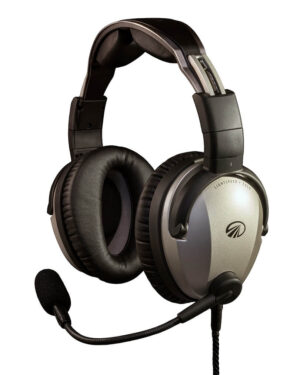
      • Zulu 3 ANR Headset Zulu 3 ANR Headset
        Rated 5.00 out of 5
        $899.00 Original price was: $899.00.$799.00Current price is: $799.00.
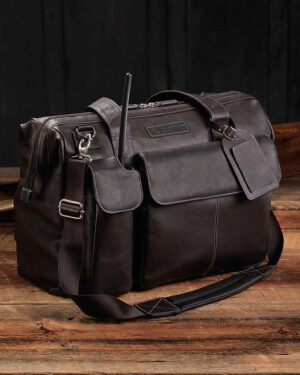
      • Gann Flight Bag - LightspeedAviation.com Gann Flight Bag
        Rated 5.00 out of 5
        $299.00
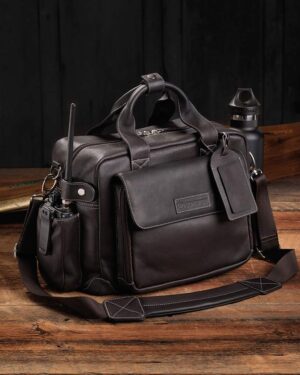
      • Markham Flight Bag - LightspeedAviation.com Markham Flight Bag
        Rated 5.00 out of 5
        $249.00

      Lightspeed Aviation, the leader in wearable ANR technology for pilots, operates with a simple strategy: know your customer well and remain committed to relentless product evolution. At Lightspeed, everything we do is in service to our customer and our products push performance to the edge of technological possibilities.

      Stay Updated – Sign Up Here


        Information

        • Contact
        • Frequently Asked Questions
        • Privacy Policy
        • Shop
        • About
        • Community
        • Contact
        • My Account
        © Copyright 2024 | All Rights Reserved
        • Shop
          • All Products
          • Headsets
          • ANR Kit for Helmets
          • Flight Bags
          • Accessories
          • Lightspeed Aviation App
          • Lightspeed App
          • FlightLink App
          • Authorized Dealers
          • Trade Up Program
        • About
          • About Lightspeed
          • Programs
          • Lightspeed Delta Zulu® Saves Lives
          • Awards and Accolades
          • Patents
          • Careers
          • Associations
        • Community
          • All Posts
          • Blog Posts
          • Events
          • News
          • Sponsorships
        • Support
          • My Account
          • Customer Support
          • Repair Request
          • Frequently Asked Questions
          • Shipping and Return Policies
        • Contact
          • Contact Lightspeed
          • Corporate Inquiries
          • Authorized Dealers
          • Donation Requests
          • Media Kit
        Lightspeed Aviation
          0 items