Free shipping in the U.S. — Click here for details .
Sign in Join now
Lightspeed AviationLightspeed AviationLightspeed AviationLightspeed Aviation
    0
  •   was successfully added to your cart.
  • Shop
    • All Products
    • Headsets
    • ANR Kit for Helmets
    • Flight Bags
    • Accessories
    • Lightspeed Aviation App
    • Lightspeed App
    • FlightLink App
    • Authorized Dealers
    • Trade Up Program
  • About
    • About Lightspeed
    • Programs
    • Lightspeed Delta Zulu® Saves Lives
    • Awards and Accolades
    • Patents
    • Careers
    • Associations
  • Community
    • All Posts
    • Blog Posts
    • Events
    • News
    • Sponsorships
  • Support
    • My Account
    • Customer Support
    • Repair Request
    • Frequently Asked Questions
    • Shipping and Return Policies
  • Contact
    • Contact Lightspeed
    • Corporate Inquiries
    • Authorized Dealers
    • Donation Requests
    • Media Kit
Sign in / Create Account

Mountain Flying Part 1 – High Country Basics

    Home Blog Posts Mountain Flying Part 1 – High Country Basics
    NextPrevious

    Mountain Flying Part 1 – High Country Basics

    By Lightspeed Aviation | Blog Posts, Mountain Flying Series | 0 comment | 20 December, 2018 | 1

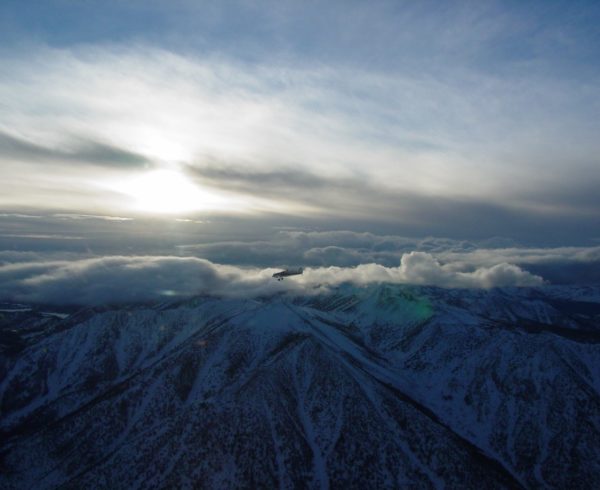
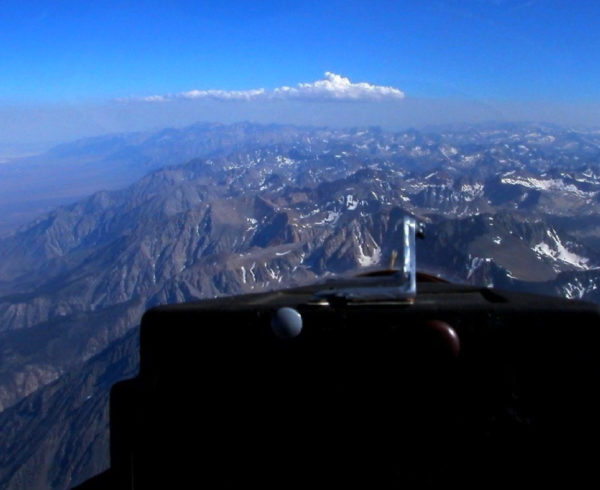
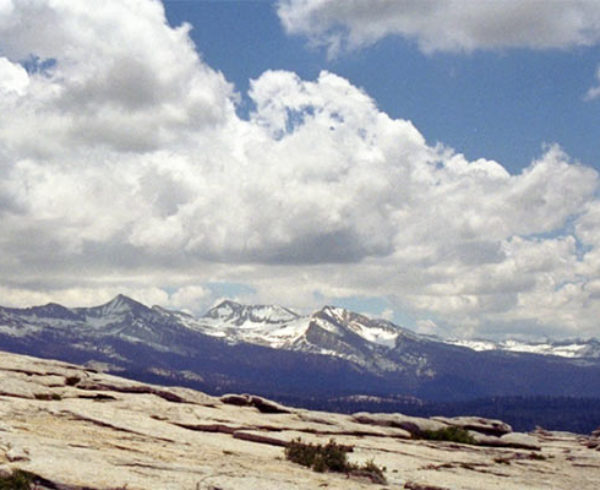
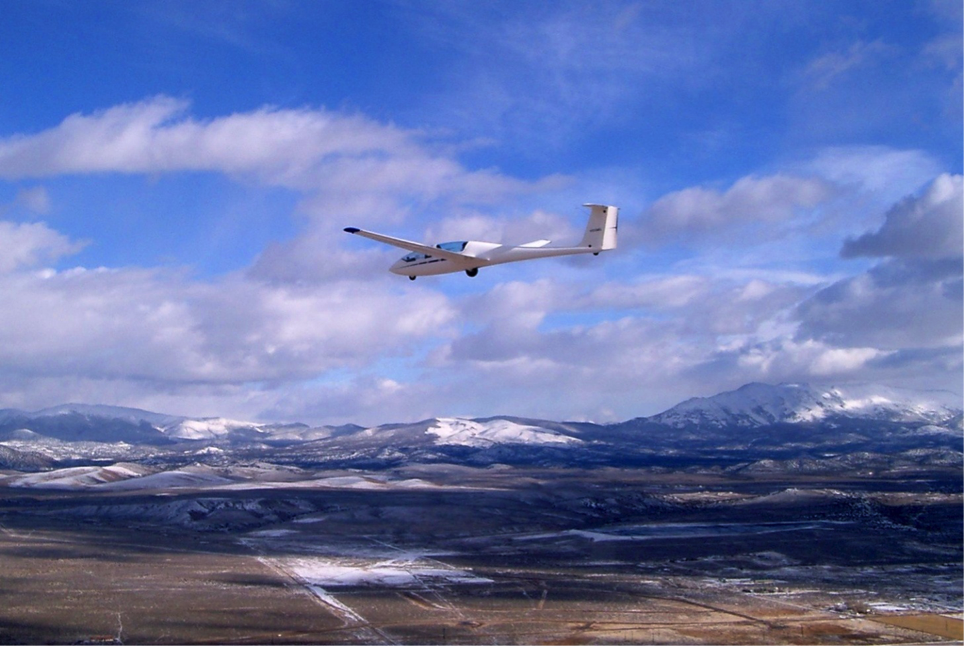
    Done safely, flying a light aircraft through the mountains can be the adventure of a lifetime. The mountains of the North American west, where I fly most often, offer some of the most spectacular scenery available to a private pilot.

    As beautiful as those majestic rocks can be, they can also be lethal. According to the Joseph T. Nall Report, mountain airports have an accident rate nearly three times that of flatland airports. The performance-robbing effects of high density altitude combined with the robust vertical convection so common in the mountains can be very dangerous when the terrain is in such threatening proximity.

    This is the first in a series of posts where I’ll share my insights on mountain flying. Let’s start with some general rules for safe flying in the high country.

    Take your time and stay near landable terrain

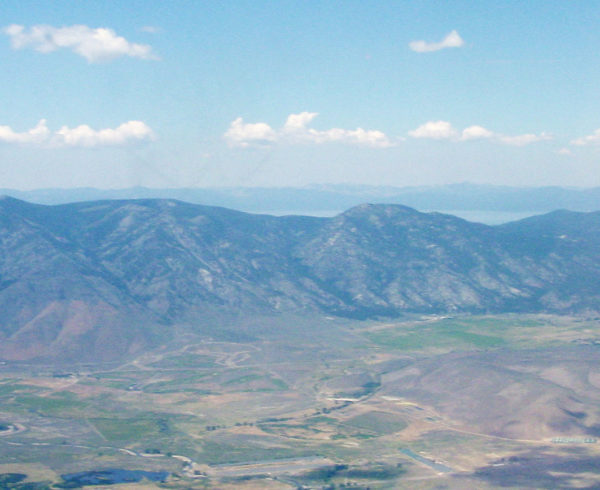
    Population centers are relatively sparse, so alternate airports are fewer and farther between. It is best to plan your route as a series of “doglegs” through the mountainous areas. In the GPS era, it is tempting to fly direct. Doing so, however, may take you over the highest, most inhospitable terrain. Not only is this practice much less safe in the event of a mechanical failure and subsequent forced landing, but the time and fuel savings earned by flying the shorter, direct routes may be squandered in the effort to climb above terrain in the thin mountain air. This is especially true if the winds are strong. The best practice is generally to plan routes that keep you near population centers and lower-lying areas. Remember, a 40-mile diversion in a typical light GA aircraft only takes approximately 20 minutes. The safest choice is to spend a little more time enjoying the scenery and stay over landable terrain.

    Always have plenty of fuel in reserve

    It is also advisable to be conservative with your fuel allowances. With fewer alternatives to complete the flight if the winds aloft change significantly, the only safe choice is to plan fewer miles with each leg and keep plenty of fuel in reserve.

    File a flight plan and report position

    Finally, file a flight plan and make regular position reports. It is surprising how many pilots are reluctant to take advantage of this free, easy-to-use insurance. I have a colleague who crashed on a snowy slope while talking to ATC. It took emergency personnel over 8 hours to reach him. If that’s the best-case scenario, then you definitely don’t want to face the worst.

    Sparky’s rules

    Flight planning issues aside, the novice mountain pilot may find the simple proximity of terrain to be alarming: looking out the window at big rocks on either side of the aircraft while cruising at 9,000 feet or more can be disconcerting if you aren’t used to it. The late Sparky Imeson has a couple of useful rules (Sparky’s Rules) in his Mountain Flying Bible and Flight Operations Handbook for operating in close proximity to high terrain. He defines the “point of no return” as that point where the pilot could retard the throttle to idle and still have sufficient altitude for a turnaround. If the pilot continues climbing into terrain past this point, an engine failure could have serious consequences. Having defined the point of no return, Imeson’s two rules are:

    1. Always be in a position to turn toward lowering terrain (i.e. beware narrow canyons and ridge crossings)
    2. Never fly past the point of no return

    Adhering to these simple rules should keep the novice out of trouble in high terrain. Bear in mind that the typical light GA aircraft has an approximate 9-to-1 glide ratio, which produces a descent angle of only 6 degrees or so. If you lose the engine, a turn toward lowering terrain could buy you a lot of time, assuming the terrain falls away at a 6-degree slope or more.

    Check back soon for part two: Density altitude in mountain flying.

    Get the whole Mountain Flying eBook here!

    No tags.

    Lightspeed Aviation

    Lightspeed Aviation is a leading manufacturer of premium aviation headsets and helmet products. Since the first product was introduced in 1996 at AirVenture in Oshkosh, WI., the company has established a reputation for leading innovation in the aviation headset marketplace with a number of “first to market” advances, technologies, and features. In 2022, the company launched a new category of aviation products called “Safety Wearables”. Layering life-saving technologies on top of their award-winning audio and ANR platform, Lightspeed ushered in a new era of aviation safety. With this, the company continues to live its mission of “creating products that protect and save lives”. Additionally, Lightspeed is a passionate supporter of initiatives to encourage the next generation of pilots through its support of programs like Young Eagles and Ray Scholars. The company is proud to have participated in helping countless young people experience everything from a discovery flight to getting a Pilot Certificate.

    More posts by Lightspeed Aviation

    Related Posts

    • Mountain Flying Part 5 – Summary

      By Lightspeed Aviation | 0 comment

      Mountain flying legend Sparky Imeson had some solid rules for operating around tough terrain. First and foremost, check the density altitude and know your aircraft’s expected performance. In planning your flight, stay near low-lying areasRead more

    • Mountain Flying part 4

      Mountain Flying Part 4 – Speed to Fly

      By Lightspeed Aviation | 0 comment

      In parts 2 and 3 of this series, we examined aircraft performance and mountain weather: what we have to work with vs. what we are up against. Part 4 of this series starts by developingRead more

    • Mountain Flying series part 3

      Mountain Flying Part 3 – Negotiating the Clouds

      By Lightspeed Aviation | 0 comment

      Weather, Gliders, and Clouds When thinking about density altitude and performance vs. mountain weather, the issue is really “What do we have to work with?” vs. “What are we up against?” Being glider-rated, it seemsRead more

    • Mountain flying2 image

      Mountain Flying Part 2 – Density altitude and its effect on performance

      By Lightspeed Aviation | 0 comment

      Mountain airports are at relatively high elevations, where the air is thin—i.e., where its density is low. During the warmer months, the temperatures can be much higher than standard, and if there’s any humidity present,Read more

    • Lightspeed Aviation September 2024 Ray Scholar Cover Photo

      Profiles in Early Flight – Ray Scholar Stories September 2024

      By Lightspeed Aviation | 0 comment

      Well, that’s the end. This is the final installment of the Ray Scholar Stories Series. We have truly enjoyed sharing these remarkable stories over the last year and half from these inspiring young pilots.  ThisRead more

    Leave a Comment

    Cancel reply

    You must be logged in to post a comment.

    NextPrevious

    Recent Posts

    • Profiles in Early Flight – Ray Scholar Stories September 2024
    • Every Pilot Deserves the Best Headset
    • Profiles in Early Flight – Ray Scholar Stories August 2024
    • Lightspeed Delta Zulu updates provide multiple hearing profiles and MORE
    • Profiles in Early Flight – Ray Scholar Stories June 2024

    Join Our Newsletter


      Top Rated Products

      • Zulu 3 ANR Headset Zulu 3 ANR Headset
        Rated 5.00 out of 5
        $899.00 Original price was: $899.00.$799.00Current price is: $799.00.
      • Gann Flight Bag - LightspeedAviation.com Gann Flight Bag
        Rated 5.00 out of 5
        $299.00
      • Markham Flight Bag - LightspeedAviation.com Markham Flight Bag
        Rated 5.00 out of 5
        $249.00

      Lightspeed Aviation, the leader in wearable ANR technology for pilots, operates with a simple strategy: know your customer well and remain committed to relentless product evolution. At Lightspeed, everything we do is in service to our customer and our products push performance to the edge of technological possibilities.

      Stay Updated – Sign Up Here


        Information

        • Contact
        • Frequently Asked Questions
        • Privacy Policy
        • Shop
        • About
        • Community
        • Contact
        • My Account
        © Copyright 2024 | All Rights Reserved
        • Shop
          • All Products
          • Headsets
          • ANR Kit for Helmets
          • Flight Bags
          • Accessories
          • Lightspeed Aviation App
          • Lightspeed App
          • FlightLink App
          • Authorized Dealers
          • Trade Up Program
        • About
          • About Lightspeed
          • Programs
          • Lightspeed Delta Zulu® Saves Lives
          • Awards and Accolades
          • Patents
          • Careers
          • Associations
        • Community
          • All Posts
          • Blog Posts
          • Events
          • News
          • Sponsorships
        • Support
          • My Account
          • Customer Support
          • Repair Request
          • Frequently Asked Questions
          • Shipping and Return Policies
        • Contact
          • Contact Lightspeed
          • Corporate Inquiries
          • Authorized Dealers
          • Donation Requests
          • Media Kit
        Lightspeed Aviation
          0 items